Desi Beds (Bori Beds)
Step-by-step DIY guide to crafting insulated, eco-friendly winter beds for street animals using recycled jute sacks and paddy stubble.

Required Materials
- 2 Jute Sacks (Bori)
- Dry Paddy Straw / Stubble
- Plastic Tarp / Liner
- Jute Twine & Heavy Needle
Host a DIY Workshop
Want to organize a Desi Bed making drive in your school, college, or residential society?
Register as VolunteerWhy Desi Beds Matter
During winters, temperatures drop significantly. Cold concrete and damp ground sap heat from stray dogs, leading to joint pain, respiratory infections, and hypothermia.
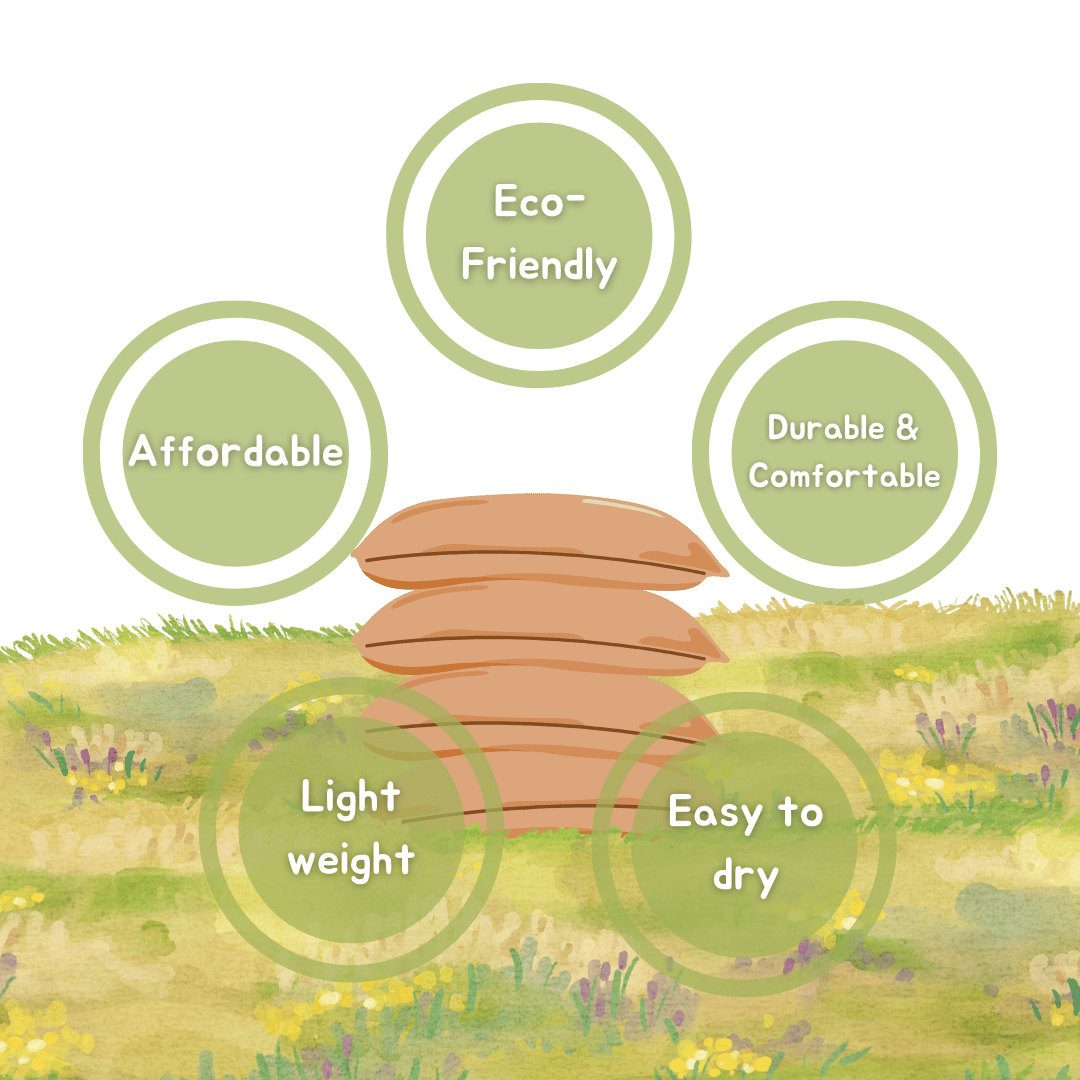
Desi Beds solve this using locally available, biodegradable materials. Stubble acts as natural thermal insulation, while jute sacks provide durable casing.
4-Step Assembly Blueprint
Prepare the Jute Outer Casing
Take two clean, dry jute sacks (bori). Stitch three sides together tightly using thick jute twine and a large upholstery needle, leaving one narrow end open.
Insert Waterproof Moisture Barrier
Line the bottom interior with a layer of recycled thick plastic sheet or plastic rice sack to prevent ground moisture from seeping up into the bed.
Pack Insulation Filling
Pack the casing firmly with dry paddy straw, agricultural stubble, or shredded cotton fabric scraps. Ensure a uniform 3-4 inch thickness throughout.
Seal & Anchor in Safe Neighborhood Spot
Stitch the top open end securely shut. Place the bed in a sheltered, rain-protected corner of your street, away from vehicular traffic.
Workshop & Field Deployment Gallery
Glimpses of community members and volunteers crafting and deploying Desi Beds on the ground.